Discover what Heart Points are, how Google Fit calculates them, and why hitting targets like 150, 300, 450 or 600 points per week (168 hours) is a game-changer for your health and longevity.
1/22/2026
Written by: Aware Ascent
Scientific Authority & References: The guidelines and Heart Point metrics discussed in this post are based on the global standards set by the World Health Organization (WHO) and the American Heart Association (AHA). The mortality reduction data is sourced from “Long-Term Leisure-Time Physical Activity Intensity and All-Cause and Cause-Specific Mortality” (Lee et al., 2022), a landmark 30-year longitudinal study of 116,000+ adults published in the journal Circulation.
In the world of fitness tracking, not all minutes are created equal. While “steps” have long been the gold standard, health organizations are shifting focus toward intensity. This is where Heart Points come in — a metric designed to reward the effort your heart is actually making.
Heart Points measure the quality and intensity of your movement. Instead of just tracking volume, they reward you for elevating your heart rate. This intensity-based approach is a much stronger predictor of cardiovascular health and long-term longevity than step count alone.
Google Fit doesn’t just “guess” your intensity; it uses specific technical thresholds based on METs (Metabolic Equivalent of Task) and Step Cadence.
Image courtesy of Getty Images.
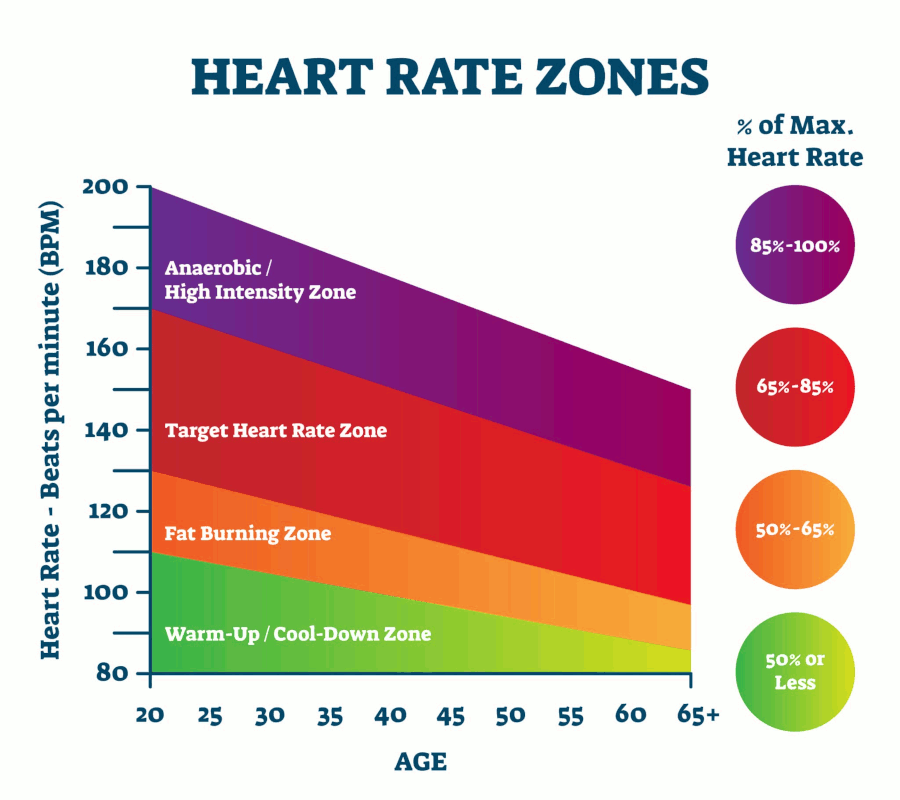
With a Heart Rate Sensor: - Moderate (1 pt/min): 50%–69% of Max HR.
Max HR (Heart Rate) Formula used by Google: $$205.8 - (0.685 \times \text{age})$$
Without a Heart Rate Sensor (Accelerometer/GPS only):
A MET stands for Metabolic Equivalent of Task. It is a way to measure how much oxygen your body uses during a specific activity compared to when you are sitting still.
| Intensity | MET Level | ”Talk Test” | Examples |
|---|---|---|---|
| Moderate | 3.0 – 5.9 | Can talk, cannot sing | Brisk walking (2.5-4 mph), leisurely cycling, doubles tennis, heavy gardening. |
| Intense | 6.0+ | Cannot say more than a few words | Running (6 mph+), fast cycling (10 mph+), singles tennis, HIIT, jumping rope. |
While these reductions are “expected” or “estimated” based on study data — and the ultimate decision of how long each individual will live lies with ALLAH — hitting Heart Point targets is directly correlated with a longer life expectancy based on study data.
According to the Circulation (2022) study, these percentages represent the total reduction in all-cause mortality risk compared to sedentary individuals:
| Weekly Goal | Total Mortality Risk Reduction | Weekly Effort (Moderate Only) | Weekly Effort (Intense Only) |
|---|---|---|---|
| 150 | 21% Lower | 2.5 hours/week | 75 minutes/week |
| 300 | 26% Lower | 5.0 hours/week | 2.5 hours/week |
| 450 | ~29% Lower | 7.5 hours/week | 3.75 hours/week |
| 600 | 31% Lower | 10.0 hours/week | 5.0 hours/week |
The “Optimal” Zone: The most dramatic health improvement happens when you move from 0 to 150 points. The maximum longevity benefit (31%) is achieved by performing 2 to 4 times the minimum recommended levels—targeting 300 to 600 points. Beyond 600 points per week, the mortality benefit begins to plateau, meaning more isn’t necessarily better for lifespan.
One of the greatest strengths of Google Fit is its flexibility. You do not need any extra equipment or external apps to start tracking; however, it can easily act as a central hub if you use other tools.
Google Fit is fully capable of calculating Heart Points on its own using just your smartphone’s internal sensors.
If you prefer using other devices or apps, Google Fit can pull that data to consolidate your weekly targets:
While we believe in Islam that ALLAH Decides the lifespan of every individual, this does not forbid us from putting in the effort to stay healthy and fit. In fact, maintaining our health is an act of stewardship over the body we have been given as a trust. By striving to improve our life expectancy through metrics like Heart Points, we are simply “tying our camel” — taking the necessary actions and means to preserve our well-being while trusting in the ultimate Decisions of the Creator.
The data from the WHO, AHA, and Circulation is clear: while moving is good, hitting specific Heart Point targets significantly changes your life expectancy outlook. However, the “Law of Diminishing Returns” applies: as your points go up, the extra health benefit per minute of exercise begins to shrink.
The Takeaway: Moving from 450 to 600 points requires 33% more effort for only a 2% additional benefit. Most people will find that the 450-point target offers the best “return on investment” for their time and energy.
By incorporating just a few “Intense” sessions (130+ steps per minute) into your week, you can hit these targets in half the time it takes to walk there. Working right (intensity) trumps just moving (volume).